Residential solar storage
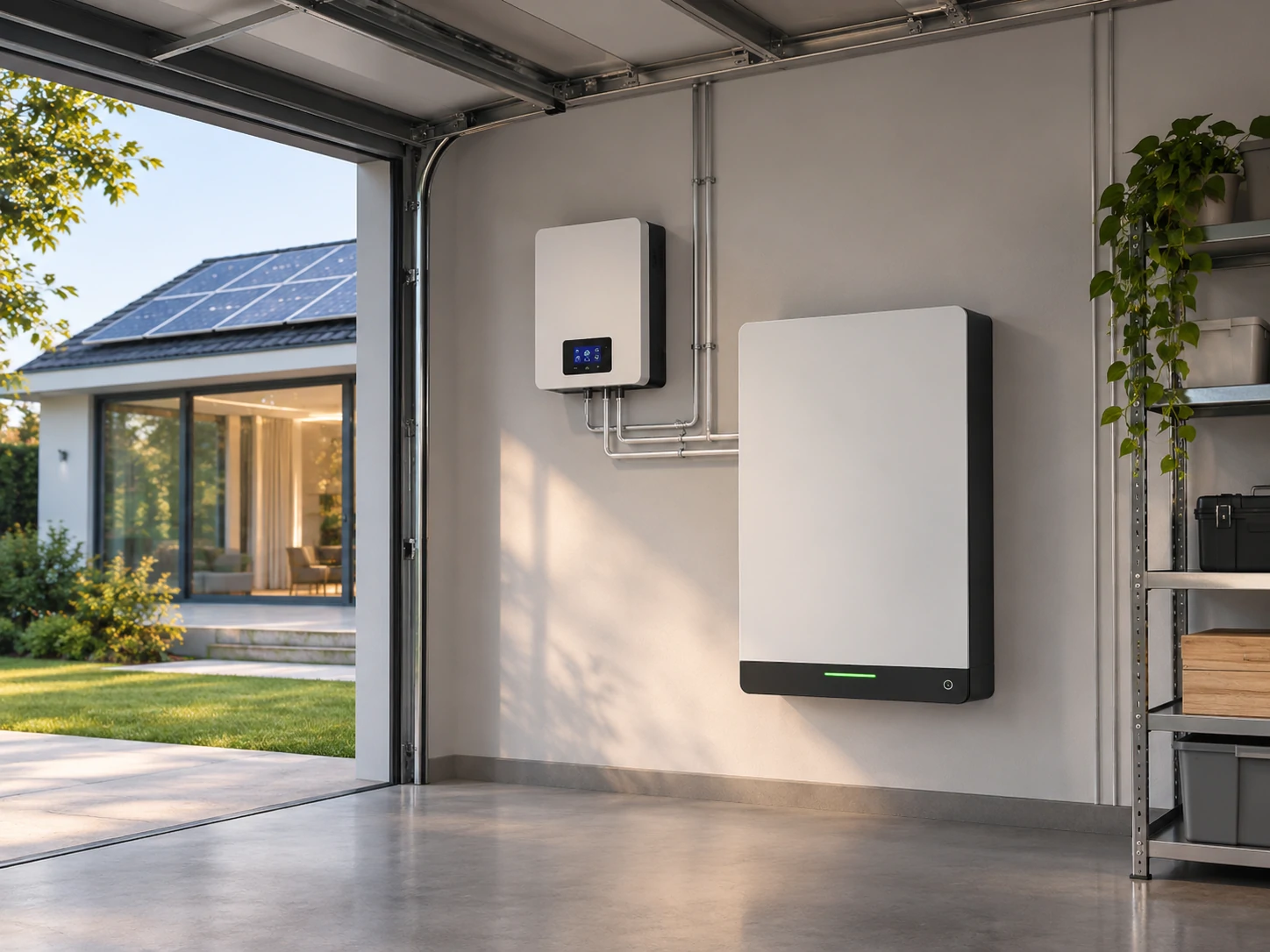
Store daytime PV generation for evening and night use, improve self-consumption, and reduce dependence on grid electricity.
The right battery is not selected by capacity alone. Application, inverter, continuous load, peak load, backup time and PV configuration all matter.
These are the most common scenarios we use to qualify residential and light-commercial storage projects before recommending a battery platform.
Store daytime PV generation for evening and night use, improve self-consumption, and reduce dependence on grid electricity.
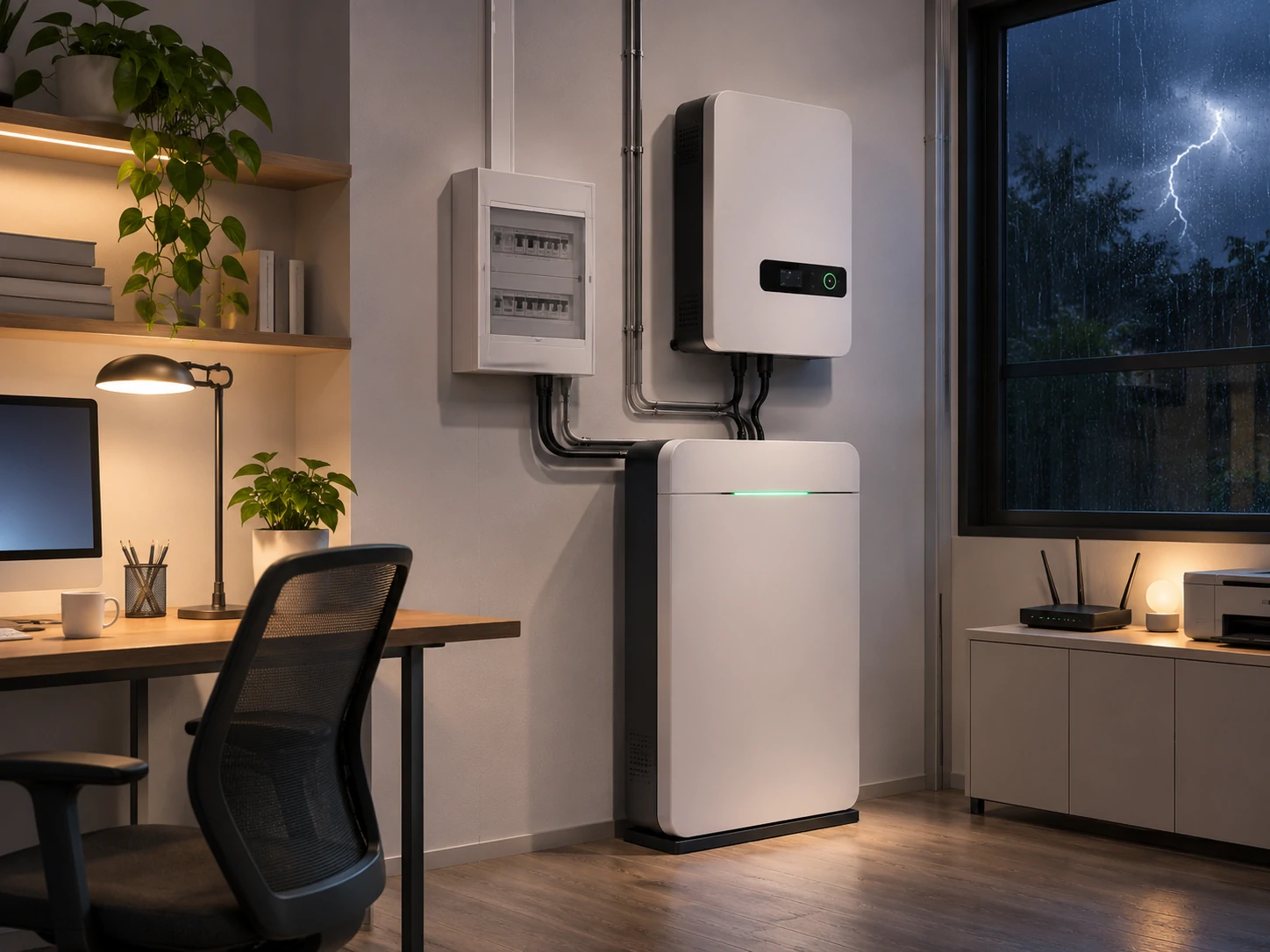
Maintain critical loads during outages when paired with a suitable backup-capable hybrid inverter and correctly sized battery system.
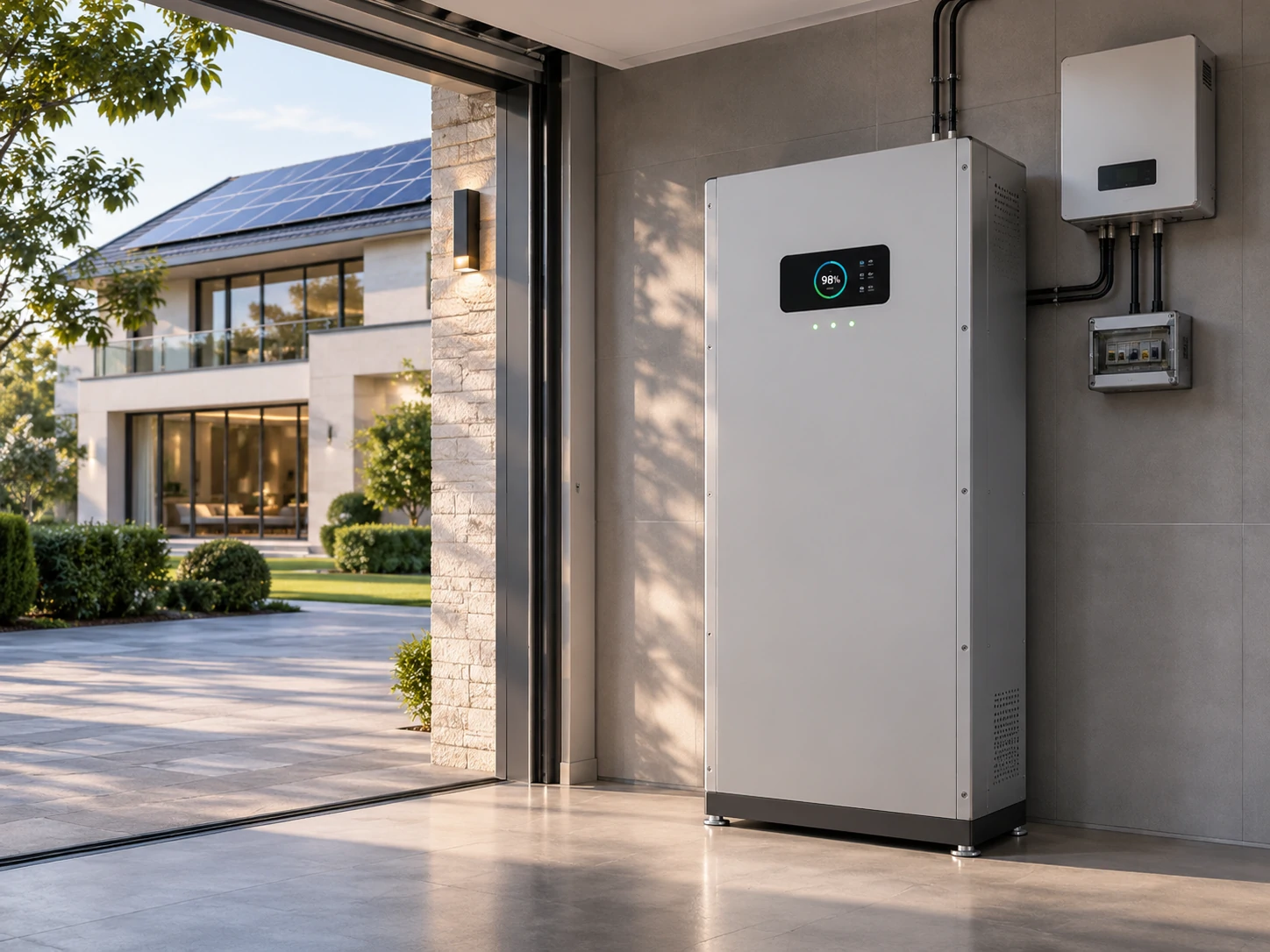
Higher-capacity residential systems for larger appliance loads, whole-home backup requirements and longer energy autonomy.
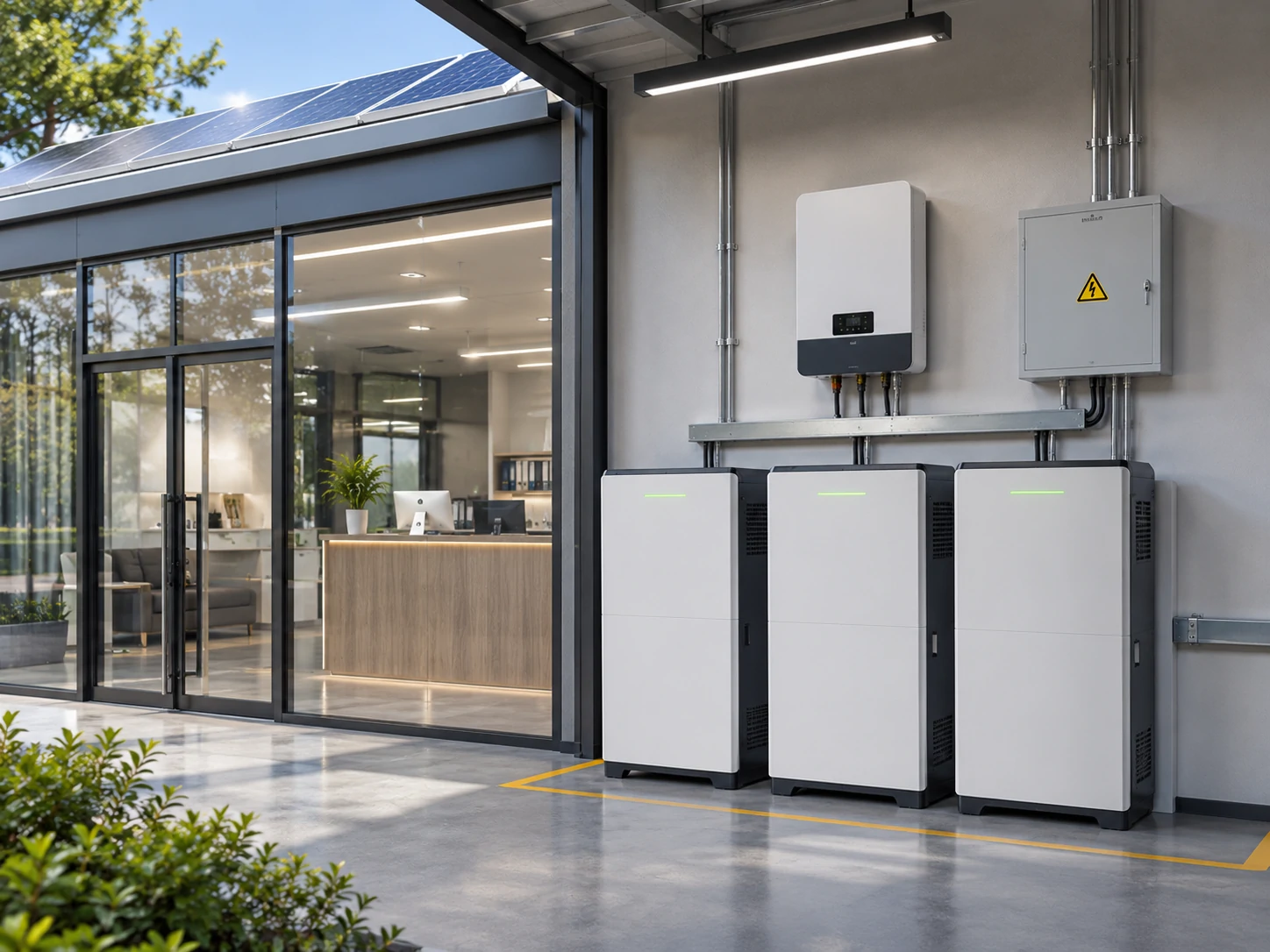
Small commercial sites that require solar-storage integration, modular battery capacity and project-based power sizing.
A professional ESS proposal needs both energy sizing and power sizing.
Backup, self-consumption, off-grid or light-commercial use.
Exact brand and model, low-voltage or high-voltage architecture, protocol and firmware.
Continuous power, peak power and important starting loads such as pumps or air conditioners.
Required backup duration, daily usage and available solar generation.
Local certification, installation and transport requirements must be confirmed separately.
| Application | 5.12 kWh ESS | 16.07 kWh ESS |
|---|---|---|
| Residential solar storage | Strong fit | Strong fit for higher daily consumption |
| Backup power | Critical-load backup | Longer runtime / larger load profile |
| Villa / large home | Entry / partial-load option | Preferred starting platform |
| Light commercial | Small load / modular use | Better fit for larger demand |
Final recommendation depends on inverter compatibility, actual load, backup time and system configuration.